

A brief audio overview of this article. Read on for the full details below.
How Do I Clean My Jewellery? A Practical, Safe Guide to Jewellery Cleaning
You love the way your jewellery catches light the moment you walk into a room — and with a little care, it can keep doing that for decades. Jewellery cleaning is the single most effective habit you can adopt to protect sparkle, colour and metalwork. Start simply: a warm water bowl with a few drops of mild dish soap and a soft-bristled toothbrush will revive most gold rings and diamond settings with a 5–10 minute soak, gentle brushing, a rinse and a lint-free pat dry. For stubborn silver tarnish you can use an aluminum-foil and baking soda soak for about 30 minutes, or a white vinegar bath for 15–30 minutes on solid sterling silver pendants. If you wear pearls often, plan a professional restring or inspection at least once every 12 months and treat strands with a soft damp cloth between wears. For step-by-step methods and timing you can follow techniques validated by jewellery specialists demonstrated in practical cleaning guides and by professionals who use ultrasonic cleaning for diamonds in 15–20 minute cycles after microscopic inspection.
1. Daily Care and Quick Clean for Rings
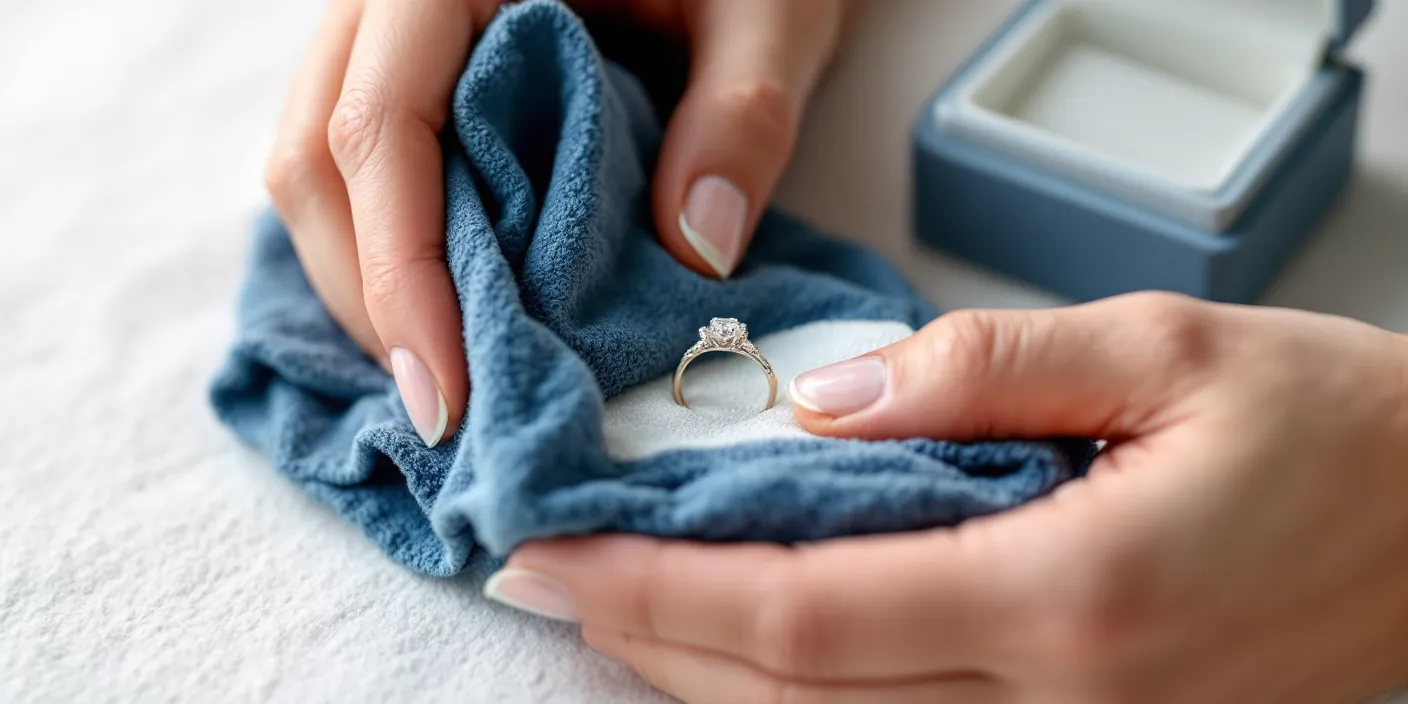
Begin your jewellery cleaning routine with a quick daily sweep: soak metal rings for 5–10 minutes in warm water mixed with a teaspoon of mild dish soap, then use a soft-bristled toothbrush to dislodge oils from prongs and gallery work before rinsing in warm running water and patting dry with a microfiber or lint-free cloth. For gold rings that have accumulated day-to-day grime, use a bowl with 1 cup of warm water, 1 teaspoon dishwashing liquid and an optional 1/2 teaspoon ammonia for extra buildup — brush lightly for three to five minutes and rinse thoroughly. Diamond rings respond especially well to this approach because the soap lifts skin oils from the 57-facet polish of a brilliant-cut setting, restoring light return quickly; for a visual demonstration of basic home methods see a trusted care article that walks through the steps with clear images on cleaning rings at home.

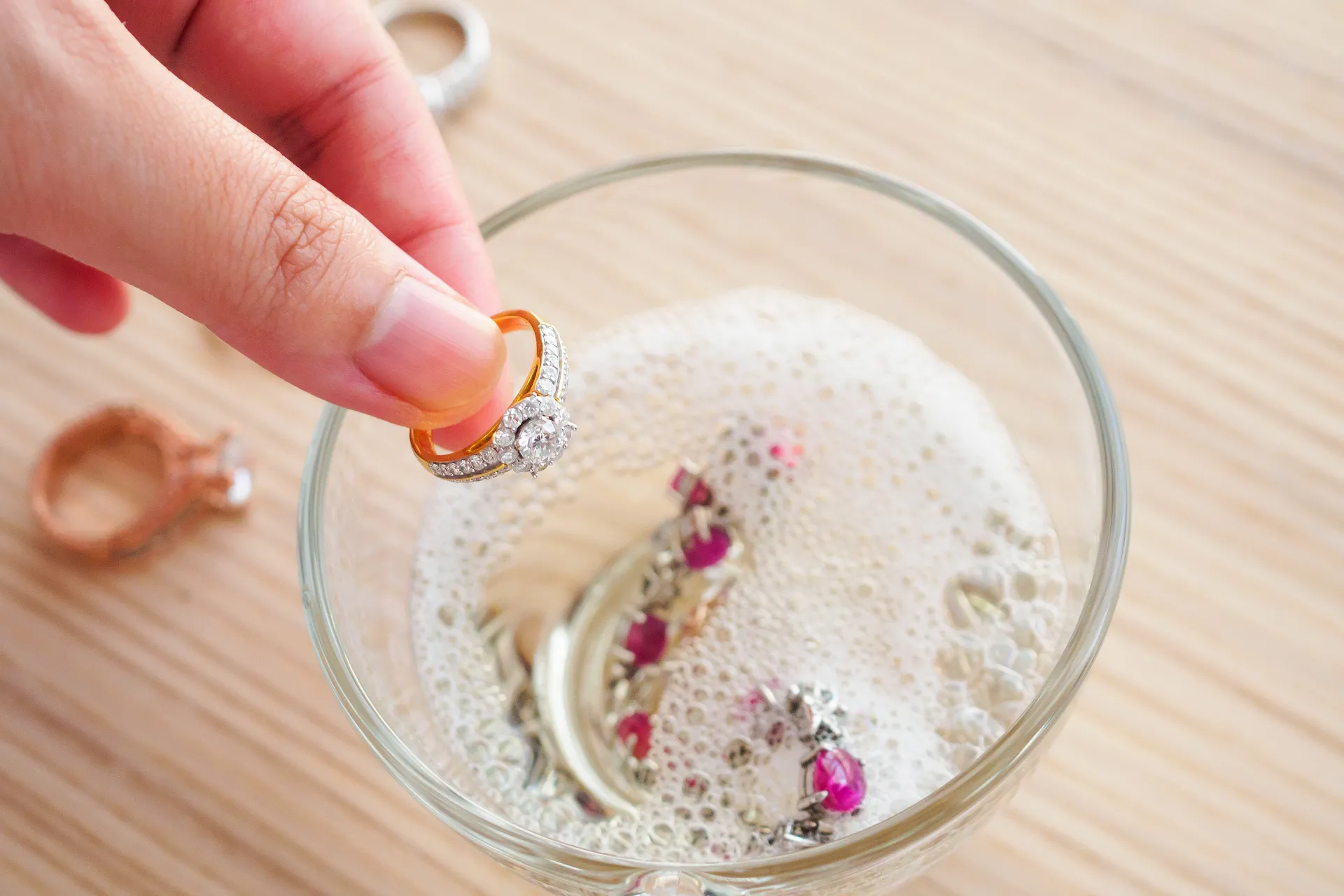
The best way to clean jewelry at home is with warm water mixed with mild dish soap. It works perfectly for gold and diamond jewelry.
— Dana Rebecca Designs
2. Deep Cleaning Gold and Diamond Pieces
When your gold necklaces or diamond pendants need a deeper clean, mix 1 teaspoon of mild dishwashing liquid into 1 cup of warm water and add an optional 1/2 teaspoon of household ammonia for persistent buildup on yellow or rose gold; let settings soak 10–15 minutes, brush under bezels and prongs with a soft brush for five minutes, then rinse well. For diamond studs and earrings, soak up to 30 minutes in warm water with unscented soap and use a small children’s toothbrush to clear residue from posts and butterfly backs — this method is the same technique used before professional ultrasonic cleaning and removes oil that masks brilliance. If you prefer step-by-step visuals and safe limits for ammonia use, detailed cleaning protocols can be found alongside professional recommendations on jewellery care pages that explain when to omit ammonia for plated or fragile pieces and when a gentler approach is needed.

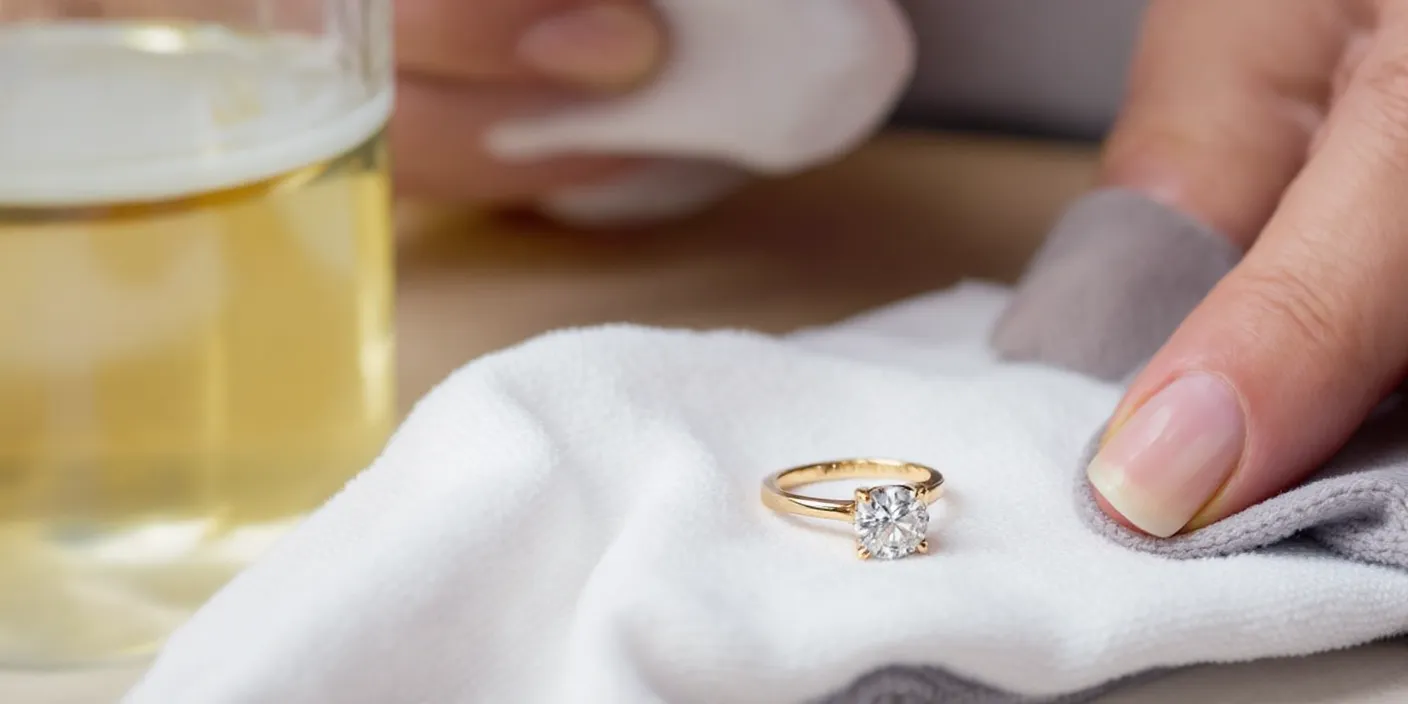
For most gold and diamond jewellery, a 5–10 minute warm soapy soak, soft brush and lint-free dry restores shine without risk.
3. Tackling Tarnish on Silver Bracelets and Pendants
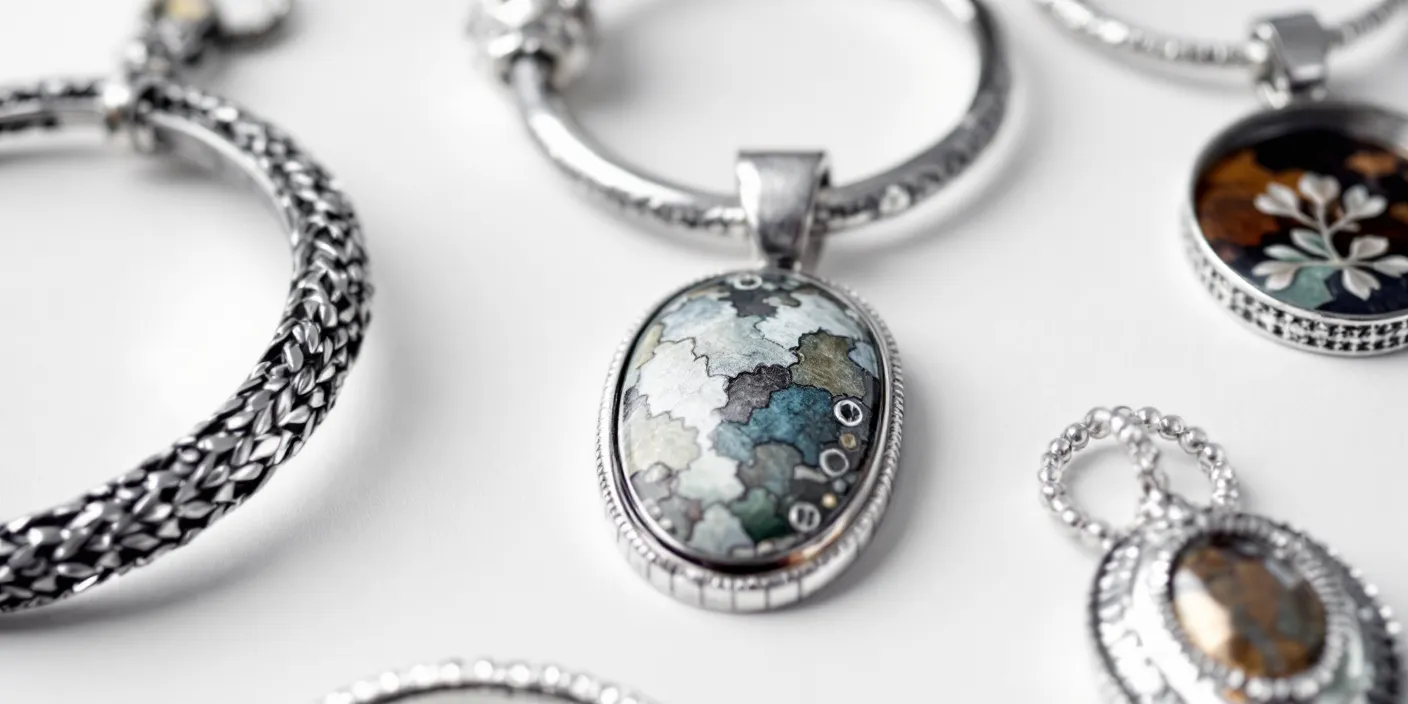
Sterling silver responds beautifully to chemical tarnish removal when done with care: line a glass or ceramic bowl with aluminum foil, add warm water and 1 tablespoon of baking soda, fully submerge the sterling silver bracelet and let it soak for about 30 minutes so the sulfide tarnish converts back to silver, then rinse and dry. For heavily tarnished pendants a white vinegar soak of 15–30 minutes can lift oxidation — for a more aggressive option, a mixture of 1/2 cup vinegar and 2 tablespoons baking soda for 2–3 hours will brighten solid sterling pieces, though you should never use those longer baths on pieces with glued components or porous inlays. Remember that baking soda is mildly abrasive and can dull delicate finishes, so avoid paste applications on gold or platinum; if you want a step-by-step foil-method walkthrough with exact baking-soda measures, see a practical guide that illustrates the process with timing and safety notes for silver cleaning.

4. Caring for Pearls and Delicate Necklace Strands
Pearls are fragile living gems and need the gentlest care: wipe your pearl necklace after each wear with a soft damp cloth or a clean makeup brush dipped briefly in warm soapy water, then allow the strand to air dry flat for several hours on a soft towel; never submerge a pearl strand because wet silk thread stretches and will attract dirt. If you wear a pearl strand frequently — several times per week — plan to have it restrung professionally at least once every 12 months with silk or nylon knotting between each 6–7 mm pearl to prevent loss and friction; GIA notes annual inspection and restringing frequency for well-worn strands. Keep pearls away from perfumes and hairspray applied at least five minutes before dressing, and store them in a soft pouch at room temperature, not in an airtight box where moisture can go stagnant.
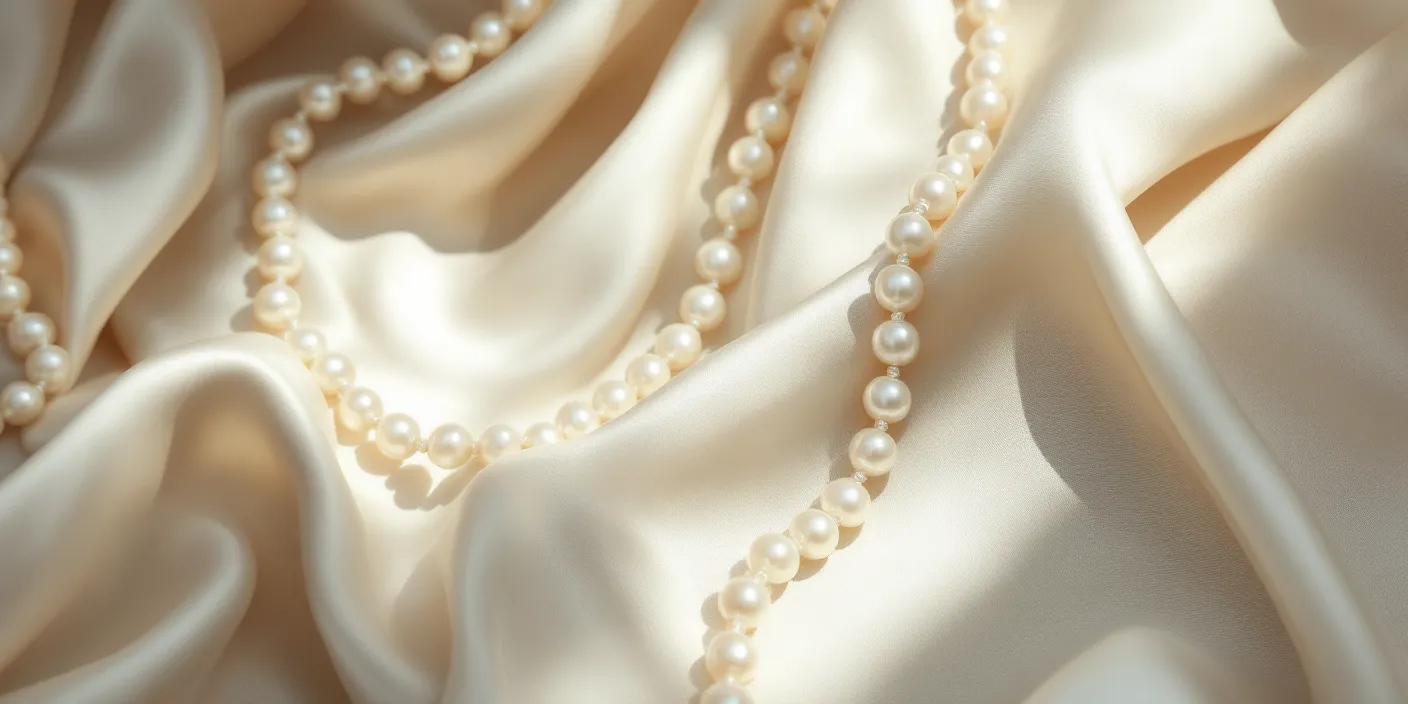
A 30-minute aluminum foil and 1 tablespoon baking soda soak brightens sterling silver; avoid on plated or delicate inlaid pieces.
5. When to Seek Professional Cleaning and Ultrasonic Use
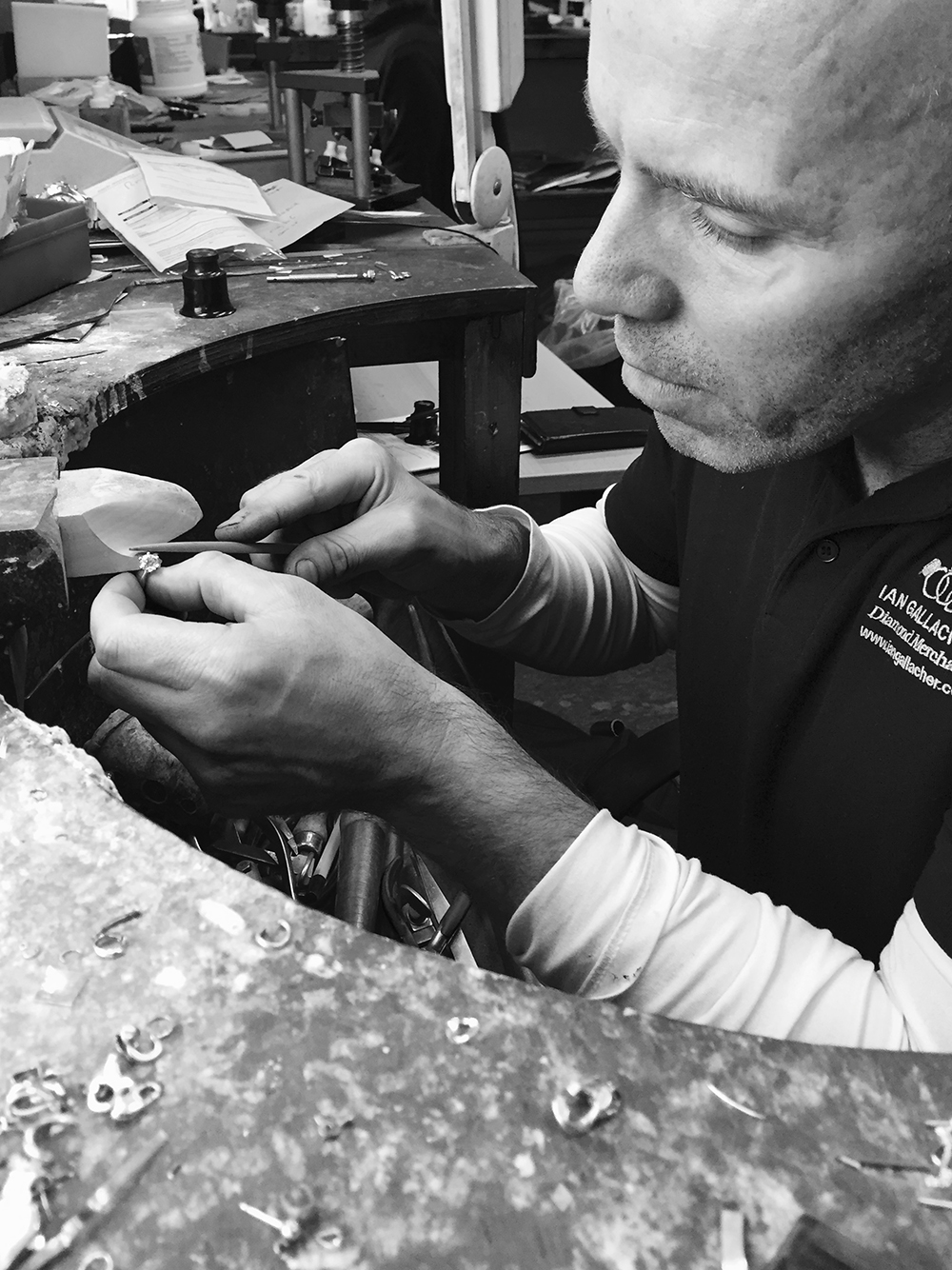
There are times to take off your DIY hat and let a professional jeweller work: if you suspect a loose stone, visible structural wear, or if your piece has glued stones, enamel, or porous gems such as turquoise, seek a shop that offers a microscopic inspection before any ultrasonic or steam cleaning; professionals typically use ultrasonic cycles of 15–20 minutes for secure diamond rings after confirming settings are stable. Ultrasonic cleaning uses high-frequency vibrations and a solvent to remove microscopic debris from prongs and pavé; it is excellent for diamonds and hard stones but can damage treated emeralds, opals or pearls, and will loosen badly set stones. A reputable jeweller will provide a condition report, itemised costs and timing — expect a professional clean and inspection to take anywhere from 20 minutes for a single ring to 48–72 hours for major restorations or rewiring a multi-strand pearl necklace.


6. Drying, Storage and Avoiding Harmful Chemicals
Finish every cleaning by drying jewellery immediately with a soft microfiber or lint-free cloth to prevent water spots and spotting; for example, blot a ring for 20–30 seconds and let it breathe for five minutes before storing. Store pieces individually in soft pouches or lined compartments — keep gold and silver separated to prevent abrasion, and place pearls flat in a fabric pouch to avoid stretching. Steer clear of household chemicals: chlorine and bleach will pit gold and erode wedding bands over weeks of exposure, while hairspray and perfumes will dull metal and attract grime within hours; avoid ammonia on porous gems like turquoise and do not use bleach on plated pieces. For travel, lock delicate items in a small rigid case with foam inserts and carry them in your hand luggage rather than checked bags to reduce a 0% chance of loss during transfers.
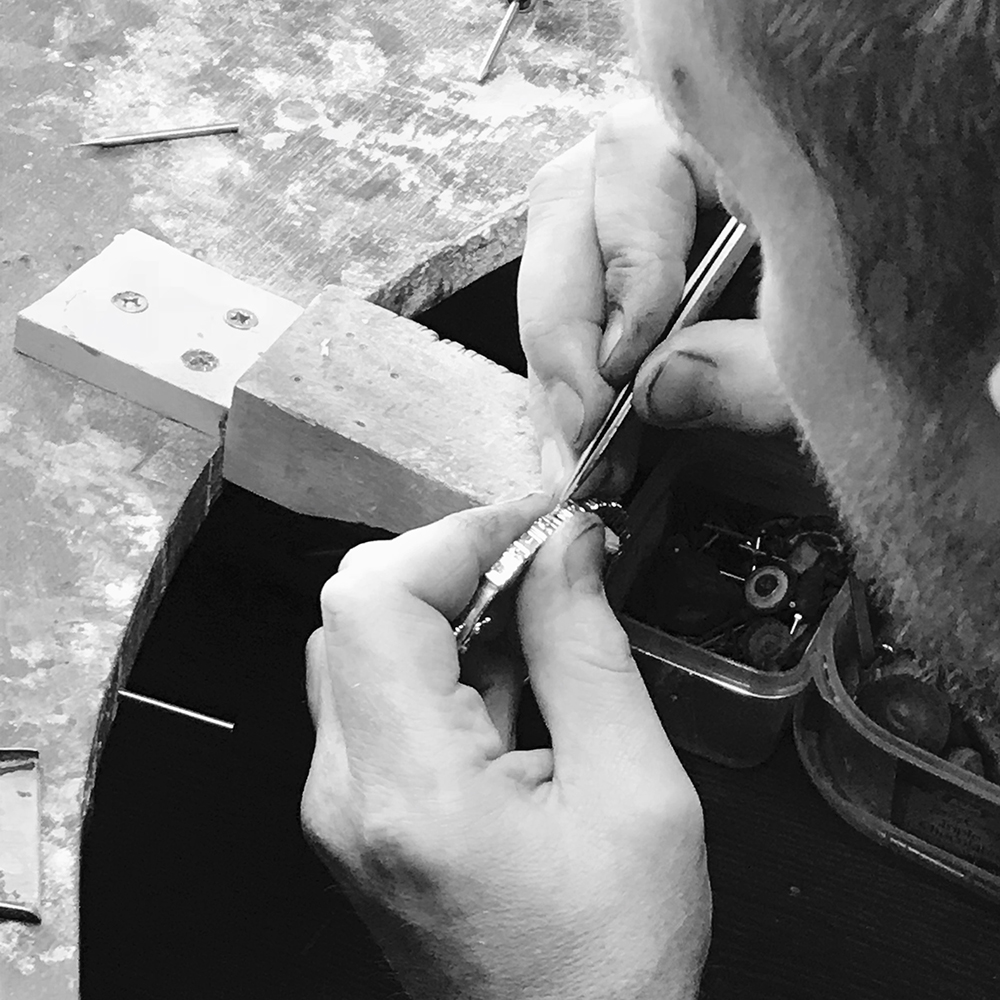
Wipe pearls with a damp cloth, never soak, and plan to restring frequently worn strands at least once every 12 months.
If stones are loose, settings are worn, or you own fragile gems, book a professional inspection and allow a 15–20 minute ultrasonic cycle only when appropriate.
Quick Comparison of Jewellery Cleaning Methods
| Method | Best For | Typical Time |
|---|---|---|
| Warm soapy soak and soft brush | Gold rings, diamond pendants, plated studs (careful) | 5–30 minutes (soak 5–10 mins; brush 3–5 mins) |
| Aluminum foil and baking soda bath | Sterling silver bracelets and chains | About 30 minutes |
| White vinegar soak | Heavily tarnished solid silver pendants | 15–30 minutes (or up to 2–3 hours for strong mixtures) |
| Professional ultrasonic cleaning | Secure diamond rings and hard stones | 15–20 minute cycles after inspection |
Frequently Asked Questions
Can I use toothpaste to polish my silver or gold?
No — toothpaste is mildly abrasive and can scratch fine finishes on silver and gold. For sterling silver use a baking-soda and foil bath or a jeweller’s silver polish following label directions, and for gold stick to warm soapy water or a professional-grade dip designed for karat gold. If a piece has plating or delicate inlays, avoid any abrasive pastes entirely and consult a professional for safe restoration.
How often should I have my engagement ring professionally checked?
Have your engagement ring inspected by a jeweller at least once every 6–12 months if you wear it daily; professionals perform a microscopic inspection to check prongs and settings, and will recommend tightening or repairs before a stone becomes loose. If you work with your hands, or there is visible wear, schedule checks every 3–6 months to reduce the risk of loss.
Is ultrasonic cleaning safe for all gemstones?
No. Ultrasonic cleaning is excellent for diamonds, rubies and sapphires but unsafe for porous, treated or fracture-filled gems such as opal, emeralds with oil treatments, pearls, turquoise and many vintage pieces. Always ask for a pre-cleaning assessment; a technician will examine settings and stone treatments before using ultrasonic or steam methods and will recommend hand cleaning for vulnerable gems.
What’s the best way to care for costume or plated jewellery?
Costume and gold-plated items are best cleaned with a soft dry cloth or a lightly dampened cloth using plain water; avoid soaking, abrasives and chemicals like ammonia or bleach which can remove plating and loosen adhesives. Store plated pieces in individual soft pouches away from humidity, and expect plating to show wear after months to years depending on frequency of wear; re-plating is a professional option to restore appearance.
Ready to Restore Your Sparkle?
If you have a treasured piece that needs a professional inspection or ultrasonic cleaning, our specialists offer condition reports and safe cleaning — book an appointment or bring items into the store for a 15–20 minute assessment.
Book a Cleaning AppointmentSources
- Dana Rebecca Designs – Jewellery Cleaning Tips — Practical home cleaning methods including soap soaks, foil-and-baking-soda technique and vinegar soaks with exact timings.
- Rogers & Hollands – Caring for Your Jewellery — Professional care guidelines, ultrasonic cleaning protocols and safe-use notes for ammonia and ultrasonic machines.
- GIA – Caring for Your Jewellery — Guidance on gem care and recommended restringing frequency for pearl strands.
- David Yurman – Cleaning and Care — Notes on abrasives, polishing risks and specialist advice for treated or fragile pieces.
Final Thoughts
Jewellery cleaning doesn’t have to be complicated. With a few simple recipes — warm soapy soaks, cautious vinegar or baking-soda treatments for silver, and an annual professional check for pearls and heirlooms — you can preserve sparkle and structure for years, even generations. Use the timing guidelines here (5–10 minute soaks, 15–30 minute tarnish baths, 15–20 minute professional ultrasonic cycles) and keep a small kit: a soft toothbrush, lint-free cloths, a glass bowl and a travel case. Little rituals like wiping rings after each wear and having a yearly inspection will protect your investment and keep each piece ready to shine at the next celebration.